
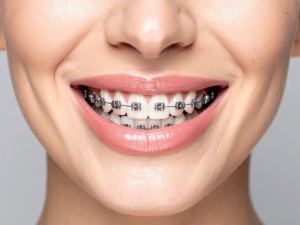
Choosing the right types of braces is one of the most important decisions when starting orthodontic treatment. Today, braces are more comfortable, effective, and discreet than ever before. With options that meet a variety of dental needs and lifestyle preferences, patients can achieve a healthy, confident smile at any age.
At Markovitz Orthodontics, we help patients select braces that best fit their needs. Whether you’re a parent exploring options for your child, a teen concerned about appearance, or an adult seeking discreet treatment, understanding the types of braces available will help you make an informed decision and feel confident in your orthodontic journey.
How Do Braces Work?
All braces work by applying gentle, consistent pressure to gradually move teeth into proper alignment. This process corrects a variety of dental issues, including:
- Crooked or crowded teeth
- Gaps between teeth
- Overbites, underbites, and crossbites
- Jaw alignment concerns
- Bite imbalances and functional issues
The main differences between braces types are their materials, appearance, and how they deliver pressure to your teeth.
1. Traditional Metal Braces
Best for: Mild to complex orthodontic cases
Appearance: Most visible
Traditional metal braces are the most common type of braces and are recognized for their effectiveness and durability. They consist of stainless steel brackets bonded to each tooth, connected by an archwire that is periodically adjusted to move teeth into ideal positions.
Advantages
- Highly effective for mild to severe cases
- Durable and strong
- Cost-effective
- Suitable for children, teens, and adults
Considerations
- More visible than other options
- Some dietary restrictions apply
- Mild discomfort after adjustments
Modern metal braces are smaller, smoother, and more comfortable than ever before. They are ideal for patients who need comprehensive correction.
2. Ceramic (Clear) Braces
Best for: Patients seeking a discreet appearance
Appearance: Tooth-colored or clear brackets
Ceramic braces function like metal braces but use brackets that blend in with your natural teeth. They provide a more subtle appearance while maintaining strong orthodontic correction.
Advantages
- Less visible than metal braces
- Effective for a wide range of alignment and bite concerns
- Fixed appliance, no need to remember to remove
Considerations
- Slightly more fragile than metal braces
- Elastic ties can stain without proper care
- Typically more expensive than metal braces
Ceramic braces are popular among teens and adults who want a less conspicuous orthodontic solution while still benefiting from a fixed appliance.
3. Lingual Braces
Best for: Patients who want completely hidden braces
Appearance: Brackets placed on the back of the teeth
Lingual braces are attached to the tongue side of your teeth, making them invisible from the front. They provide the same effectiveness as traditional braces but are ideal for patients who want a fully concealed treatment.
Advantages
- Completely hidden from view
- Effective for most alignment and bite issue
- Customizable to fit individual teeth
Considerations
- Can be more difficult to clean
- May temporarily affect speech
- Usually more expensive than traditional braces
- Not suitable for all orthodontic cases
Lingual braces are an excellent option for adults and professionals who want results without visible hardware on the front of their teeth.
4. Self-Ligating Braces
Best for: Patients seeking faster treatment and fewer adjustments
Appearance: Similar to metal or ceramic braces
Self-ligating braces look like traditional braces but use a built-in clip to hold the archwire in place instead of elastic ties. This reduces friction and allows teeth to move more efficiently.
Advantages
- Fewer office visits for adjustments
- May reduce treatment time
- Easier to keep clean than traditional braces with elastic ties
- Available in metal or clear options
Considerations
- Slightly more expensive than traditional braces
- May not be necessary for simple cases
- Still visible on teeth, though more discreet than older metal braces
Self-ligating braces combine the effectiveness of traditional braces with increased comfort and efficiency, making them a popular choice for many patients.
Comparing the Types of Braces
When deciding among these four braces options, consider:
- Complexity of Your Case: Metal braces handle severe cases best. Ceramic, lingual, and self-ligating braces are effective for mild to moderate cases but can be adapted for more complex situations depending on your orthodontist’s plan.
- Appearance: Lingual braces are completely hidden, ceramic braces are subtle, self-ligating braces look similar to metal braces, and traditional metal braces are most visible.
- Lifestyle: Metal and self-ligating braces are durable for active patients. Ceramic braces require extra care, and lingual braces may require an adjustment period for speech and cleaning.
- Budget: Lingual braces are typically the most expensive, followed by ceramic and self-ligating options. Metal braces are usually the most affordable.
- Treatment Time: Self-ligating braces may reduce treatment duration in some cases. Other types vary depending on the severity of your orthodontic needs.
Braces for Kids, Teens, and Adults
Orthodontic treatment benefits patients of all ages.
Children
Early evaluation can detect developing orthodontic issues and guide jaw growth. Braces are usually recommended once permanent teeth have erupted.
Teens
Appearance, lifestyle, and compliance influence choice. Ceramic or self-ligating braces are popular among teens who want a combination of efficiency and discretion.
Adults
Adults often prefer discrete options such as ceramic or lingual braces. Metal and self-ligating braces are excellent for more complex orthodontic needs.
Markovitz Orthodontics designs treatment plans for every stage of life to ensure lasting results and optimal oral health.
Why Choosing the Right Orthodontist Matters
Selecting the right types of braces is important, but working with an experienced orthodontist is equally critical. Accurate diagnosis, precise treatment planning, and consistent monitoring significantly influence outcomes.
At Markovitz Orthodontics, we focus on:
- Individualized treatment plans
- Advanced orthodontic technology
- Comfortable and supportive care
- Comprehensive patient education
The goal is not only straighter teeth but improved bite function and long-term oral health.
FAQ: Types of Braces
What are the main types of braces?
A: The two main types of braces are traditional metal braces and ceramic (clear) braces. Both are fixed appliances that gradually move teeth into proper alignment.
Which braces work the fastest?
A: Treatment speed depends on the complexity of the case. Metal braces may be preferred for more severe corrections and can provide predictable results efficiently.
Are clear braces as effective as metal braces?
A: Ceramic braces are effective for most cases. However, metal braces are recommended for severe bite or alignment issues due to their strength and durability.
Can adults get braces?
A: Yes. Adults benefit from orthodontic treatment at any age. Ceramic braces are popular among adults who want a more discreet treatment.
How long does treatment take?
A: Treatment typically ranges from 6 months to 3 years, depending on the individual’s orthodontic needs. Your orthodontist will provide an estimated timeline during your consultation.
Start Your Smile Transformation with Markovitz Orthodontics Today
Whether you choose metal braces for strength or ceramic braces for a more discreet look, the right type of braces depends on your dental needs, aesthetic preferences, and lifestyle.
Schedule a consultation with Markovitz Orthodontics to determine which braces are right for your smile. Dr. Stanley Markovitz will evaluate your teeth, explain your options, and create a treatment plan designed to give you a healthy, confident smile that lasts a lifetime.