Many people are confused about the difference between Invisalign and traditional braces when considering teeth straightening. Both give you fantastic results, but the costs differ. You need to know the cost of braces, whether you are looking for a discreet solution, such as Invisalign, or prefer the traditional method.
In this article, we will discuss Invisalign pricing and braces costs and identify the factors that can affect these costs. We’ll also talk about the pros and cons of each process, the cost of aligners, and how insurance may be beneficial. Stay tuned with us if you are looking for orthodontic treatment and want to get information about their prices.
What is Invisalign and How Does It Work?
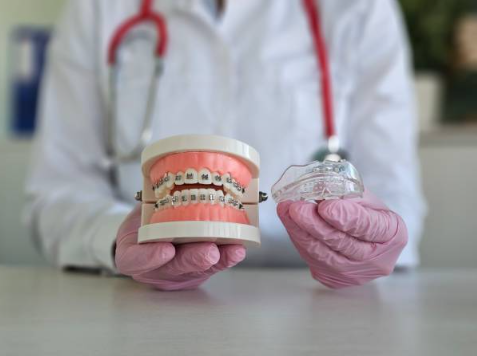
A clear aligner system known as Invisalign can correct your teeth without the requirement for traditional braces. Your teeth are slowly shifting into their perfect positions as you wear these customized, transparent plastic trays. These are easily removable, allowing you to eat and drink without limitations and maintain your dental hygiene, unlike braces.
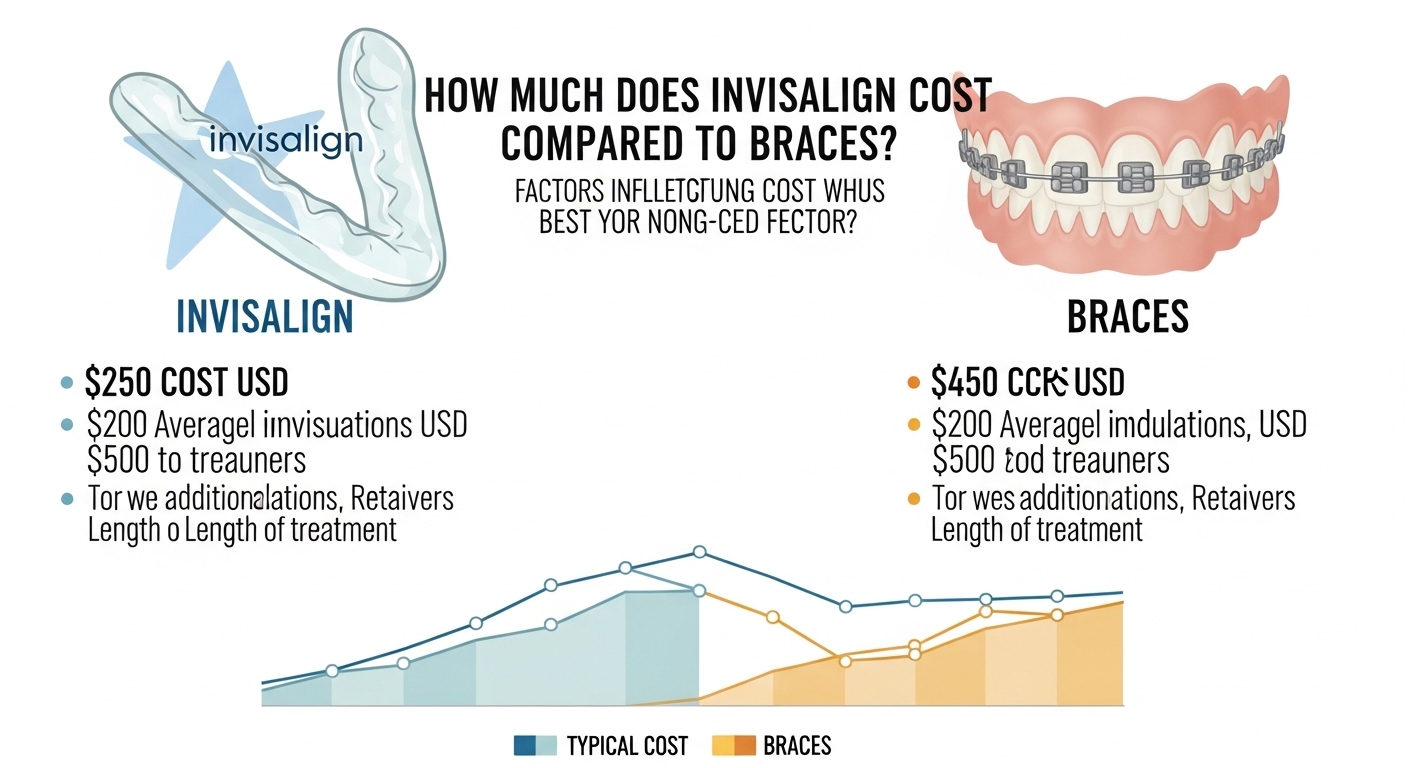
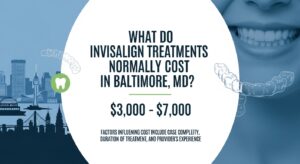
The Invisalign price may vary based on the complexity of your case, your treatment duration, and your location. The average cost of Invisalign is between $3,000 and $8,000. For most people, the price is similar to that of braces, but in more complex cases, it may be higher.
Braces: A Tried-and-True Option
For many years, the most common way to straighten teeth has been with braces. They are made of metal brackets wired together to correct your teeth. Braces can be slightly visible and might require more frequent trips to the orthodontist for adjustments, even though they are effective at addressing a variety of dental issues.
The cost of braces typically ranges from $2,500 to $7,500. The type of braces you buy (metal, ceramic, or lingual), the severity of your oral health issues, and the duration of your treatment all affect the cost.
Invisalign vs Braces: Key Differences in Cost
Fortunately, braces and Invisalign are both effective treatments for straightening teeth, but it’s not always easy to compare their costs. Now let’s explore it:
Treatment Length
Invisalign treatment typically lasts 12 to 18 months, while traditional braces can last 18 months to 3 years. The expense of either choice increases with the duration of your treatment.
Complexity of Treatment
If you are suffering from a more complicated condition, traditional braces may be the fantastic choice for you. But, if your teeth only require minor changes, Invisalign may offer a more useful and relaxing solution. Braces may be required in severe cases, but Invisalign is particularly useful for minor to moderate misalignments.
Maintenance and Appointments
If you wear braces, you must visit your orthodontist every 4 to 6 weeks for minor changes. But with Invisalign, you just need to visit your orthodontist every 6 to 8 weeks. This difference in the number of visits may have a minor effect on the total cost of treatment, because there may be a fee for each appointment.
Invisalign vs Braces: What Affects the Cost?
- Location: Your location plays an important role in the cost of your treatment. Both braces and Invisalign may be more expensive in high-cost areas such as New York or Los Angeles.
- Orthodontist Expertise: Although highly qualified orthodontists typically charge more for their services, you may also receive better outcomes and a more flawless process during treatment.
- Insurance Coverage: You may also be able to use your dental plan to help cover some of the orthodontic costs. A small amount of braces treatment cost is covered by many insurance policies, and some will also pay for Invisalign. It’s important to figure out how much you can save by visiting your insurance company.
- Treatment Plan: The total cost is determined by the amount of orthodontic work needed. For example, orthodontic treatment may take longer and cost more if you have severe misalignment or crowded teeth. But if it needs minor changes, braces and Invisalign will cost less.
Which Option is More Affordable?
It’s crucial to keep in mind that there aren’t always clear pricing differences between braces and Invisalign. The prices of both options could differ depending on the variables we’ve discussed. But typically speaking:
- Invisalign can be a little more costly if you choose it over traditional braces. However, if you want a more discreet treatment or if your tooth misalignment isn’t extremely difficult, it can be worth the extra cost.
- Braces are often considered the more affordable option, especially if you have insurance that covers part of the braces’ cost. However, they can be less convenient, as they are more visible and require more frequent orthodontist visits.
Aligner Cost: Is It Worth the Investment?
You need to evaluate the pros and cons when discussing the cost of an Invisalign aligner. Invisalign offers a more comfortable treatment process, with removable, nearly invisible aligners. So you can align your teeth easily, and you don’t need to worry about the aesthetic impacts of metal braces.
Furthermore, you don’t have any restrictions on eating and drinking with Invisalign because they are removable, and you can easily take off your aligners during eating. Although aligner treatment may still be more expensive than braces, it may enhance the overall experience.
How to Save on Teeth Straightening Costs?
Here are some recommendations to help you decrease orthodontic treatment prices.
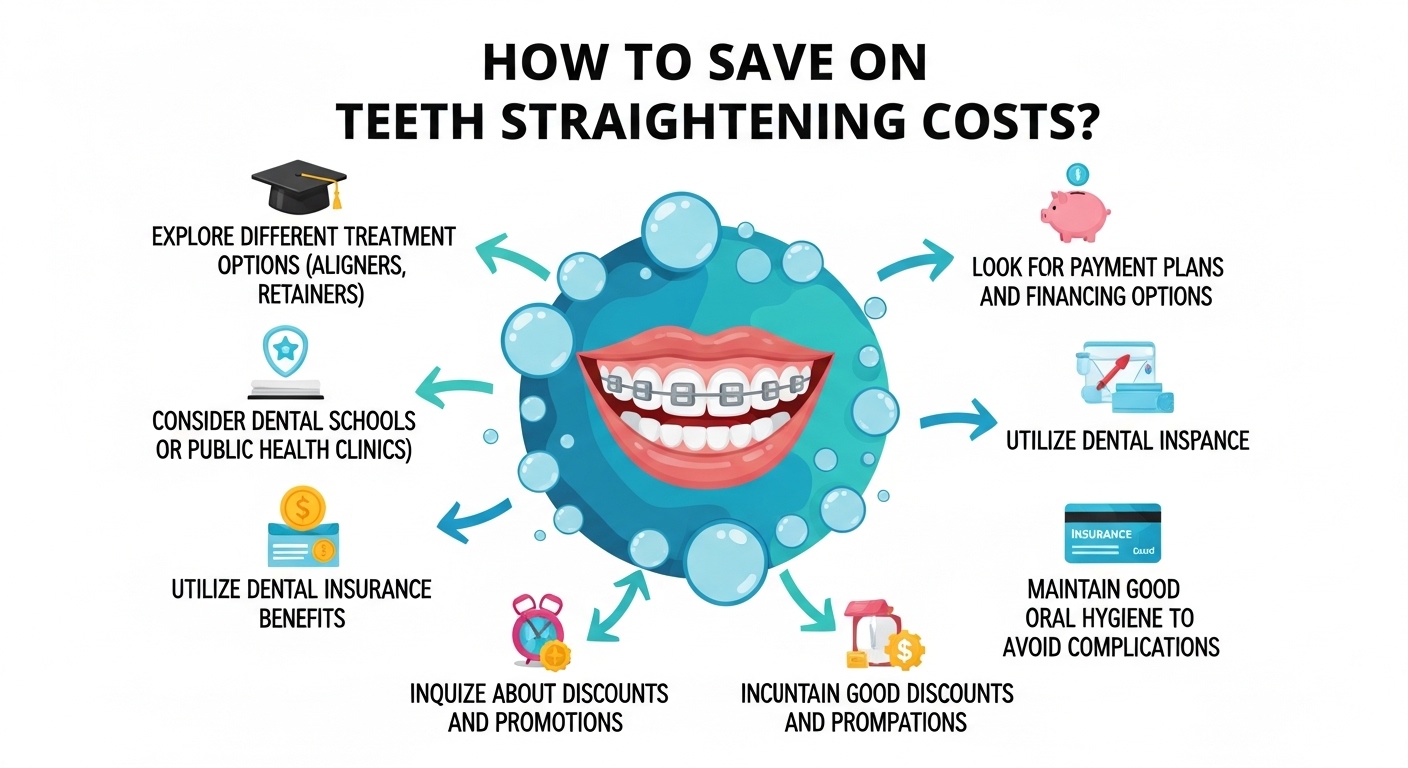
✔️ Check for Discounts: Some orthodontists offer free consultations, payment plans, or discounts for full payment. We suggest that you get the cheapest deal by comparing prices, but never forget the quality of the treatment.
✔️ Insurance: As we stated previously, braces and Invisalign can be covered by many insurance plans. Be sure to discuss your coverage options with your insurance company.
✔️ Flexible Payment Plans: Many orthodontists give you multiple financing options to help make teeth straightening less expensive. You may split the cost of your treatment into affordable monthly payments with these plans.
✔️ Consider Your Location: Prices can also differ based on where you live. To get the best deal within your budget, make sure to compare costs across nearby clinics.
Why choose Markovitz Orthodontics?
We at Markovitz Orthodontics truly care about your smile and comfort. We offer personalized treatments, including Invisalign, braces, retainers, and early care for kids, all delivered with the use of modern technology. Our experienced team and Dr Markovitz guide patients at every step, which makes sure you understand your options.
We focus on honest communication, a friendly environment, and great results. With convenient locations and a free consultation, we make orthodontic care simple and stress-free. Our goal is to help you feel confident, comfortable, and happy.
Conclusion
The decision between braces and Invisalign is determined by your budget, dental requirements, and personal preferences. Invisalign can be the best option for you if you’re seeking a discreet option that allows you to remove your aligners during eating. However, braces may be more suitable if you’re searching for a reliable, cost-effective solution and don’t mind the look of metal brackets.
Regardless of which option you choose, you need to speak with a qualified orthodontist to develop the best treatment plan for your specific situation.
Do you want to know more about getting a beautiful smile? Book a consultation with our qualified orthodontists right now and start your journey toward a more confident, gorgeous smile.
Frequently Asked Question (FAQ)
Is Invisalign more expensive than braces?
Invisalign is usually slightly more expensive than traditional braces, with costs ranging from $3,000 to $8,000. However, in some cases, the price can be similar depending on treatment complexity and duration.
How much do braces cost on average?
The average cost of braces typically ranges between $2,500 and $7,500. The final price depends on the type of braces, treatment duration, and the severity of dental issues.
Does insurance cover Invisalign or braces?
Yes, many dental insurance plans partially cover orthodontic treatments, including braces and sometimes Invisalign. It’s best to check with your provider to understand your exact coverage.
Which option is better: Invisalign or braces?
Both Invisalign and braces are effective. Invisalign is more discreet and comfortable, while braces are often better for complex dental cases and may be more affordable.
How long does Invisalign treatment take?
Invisalign treatment usually takes around 12 to 18 months, depending on how complex your case is and how consistently you wear your aligners.

Dr. Stanley Markovitz
Markovitz Orthodontics provides expert orthodontic care — including Invisalign, traditional metal braces, and ceramic braces — for children, teens, and adults across Baltimore, Pikesville, Parkville, and Inner Harbor. Dr. Markovitz combines advanced technology with a patient-first approach to deliver healthy, confident smiles that last.
Book a Free Consultation

Dr. Stanley Markovitz
Top 1% Diamond Plus Invisalign Provider & Orthodontic Expert
BOOK APPOINTMENT